0
0
6 Things to Know Before Traveling to Botswana
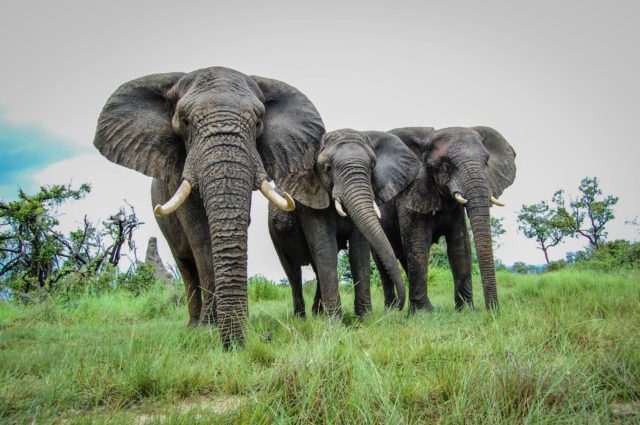
Botswana is one of the greatest Safari destinations in Africa. It’s an experience unlike any other, and one not to be missed out on. So if you’re finally taking the leap and planning your once in a lifetime trip to this majestic land, there are a few things you’ll want to know to make the most of your adventure.
1. What You Want to See Determines When You Should Go
There are a few things you’ll want to take into consideration when it comes to choosing when to travel to Botswana. The biggest of which is; what do you most want to see on your safari? Different seasons and climates boast different wildlife experiences. So if you don’t mind some thunder showers and are most interested in the lands unique bird population and spotting baby animals among lush vegetation the wet or “green” season (September-April) might be the best time for you to visit. Conversely, if you are alright with cooler weather and more crowds and want to view the most amount of peak game you’ll probably want to plan to come during dry season (May-August). So decide what is the most important to you when it comes to your Botswana experience, and let that point you in the right direction.
Learn more about when and where you can view certain game at this Blog Post on 7 Places In Botswana You Must Visit

2. Getting to Your Botswana Safari
With most safari’s you have different options of where to start and end your trip: Either Maun or Kasane – the Gateway to Victoria Falls. Both places will get you to where you want to go, it all depends on how you want to get there, and where you might like to spend some additional time. Kasane offers you the chance to spend time at the stunning Victoria Falls and Maun gives you more time to explore Botswana, perhaps via a scenic flight.
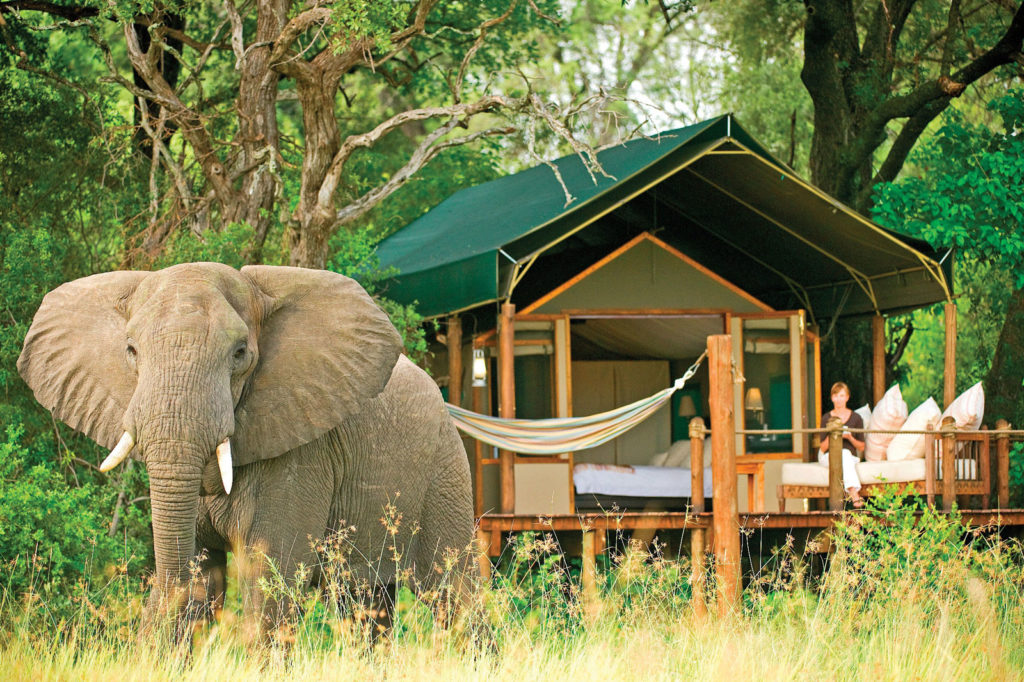
3. Bringing the Right Equipment is Vital to Botswana Travel
Packing is an important part of every adventure, and when that adventure is a safari out in the middle of deserts and plains with wildlife stretching as far as the eye can see, it becomes even more so. Be prepared for changes in weather by bringing light layers in neutral colors as it can be cold in the morning and night and scorching during the day, with possible rain showers depending on the season. Light long-sleeved shirts can save you from mosquitos and the harsh sun, as can sunblock, which is an absolute must. Remember that this is a once in a lifetime experience so you’ll want to bring your nicest camera with a long lense as well as binoculars, flashlights, and the proper outlet adapters (either a D or M plug) to keep everything charged. Before you go, make a list of everything you need and check it twice, because there’s nothing worse than being out in Africa and realizing you forgot something.
For more information check out our Packing Checklist
4. Make Sure you Have all the Necessary Visas and Documents
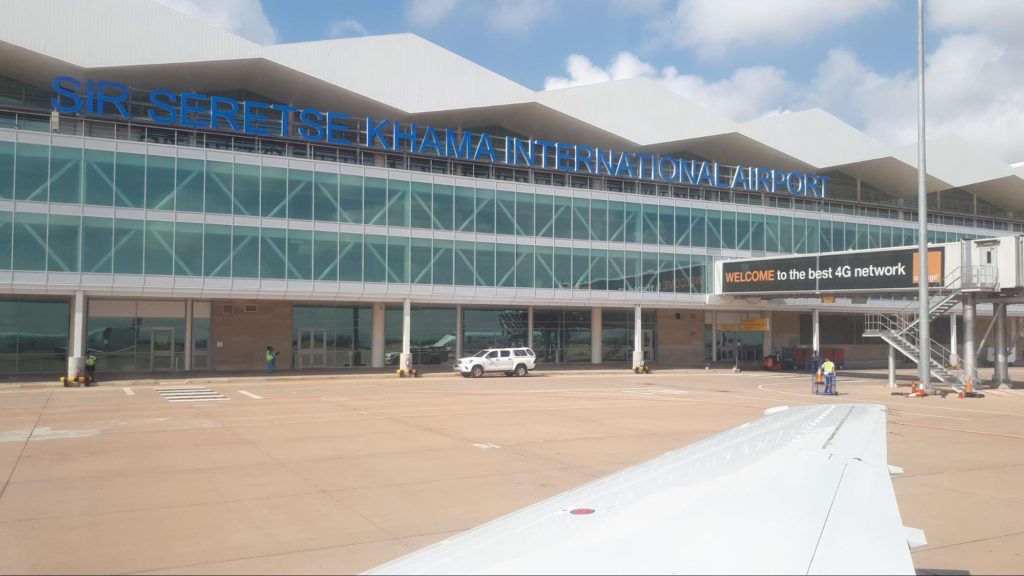
When planning international travel of any kind it’s important to make sure you have all the necessary travel documents in place well before your departure. Many nationalities including UK and US passport holders, and most citizens of Commonwealth countries, do not require a visa to enter Botswana. however, you should always check with your local embassy as this is subject to change. Everyone is required to bring a passport that is valid until at least six months after the initial date of travel. Upon arrival you will receive a 30-day entrance stamp and, for those who plan on travelling onwards to Botswana’s neighbouring countries, visas for Namibia, South Africa, Zambia and Zimbabwe can be obtained in Gaborone. While in Botswana you should carry an ID at all times. We also strongly recommend obtaining travel insurance beforehand that covers your cost related to cancellation charges, unexpected curtailment of your holiday, medical and repatriation expenses including air ambulance, personal accident, delay loss or damage to your personal effects.
5. Be Prepared and Listen to your Guide
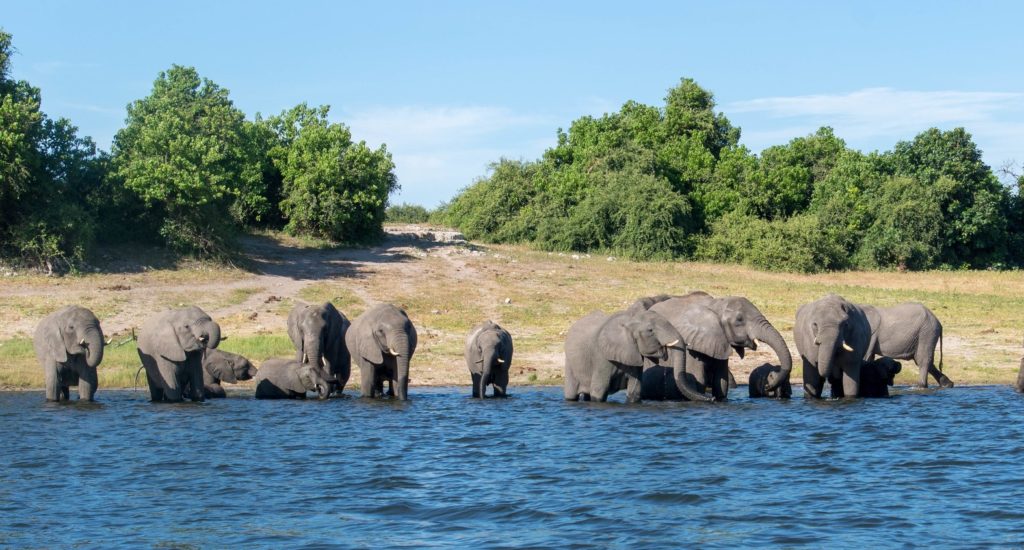
Botswana is a place unlike any other, one that requires different precautions. Before going make sure you are up to date on all your vaccinations and pack the proper gear-i.e. long pants and shirts, good shoes, sunblock, and mosquito spray- to prevent sunstroke, malaria, hepatitis, snake bites, tick-bite fever, trypanosomiasis (sleeping sickness) and bilharzia. The trick to navigating Botswana is to make sure you prepare and listen to your guides. They are trained and know what they are talking about when they tell you not to take a dip in any bodies of water, or go on night walks alone. Stick with your guide and you’ll have a much better time!
6. Understanding Money and Tipping
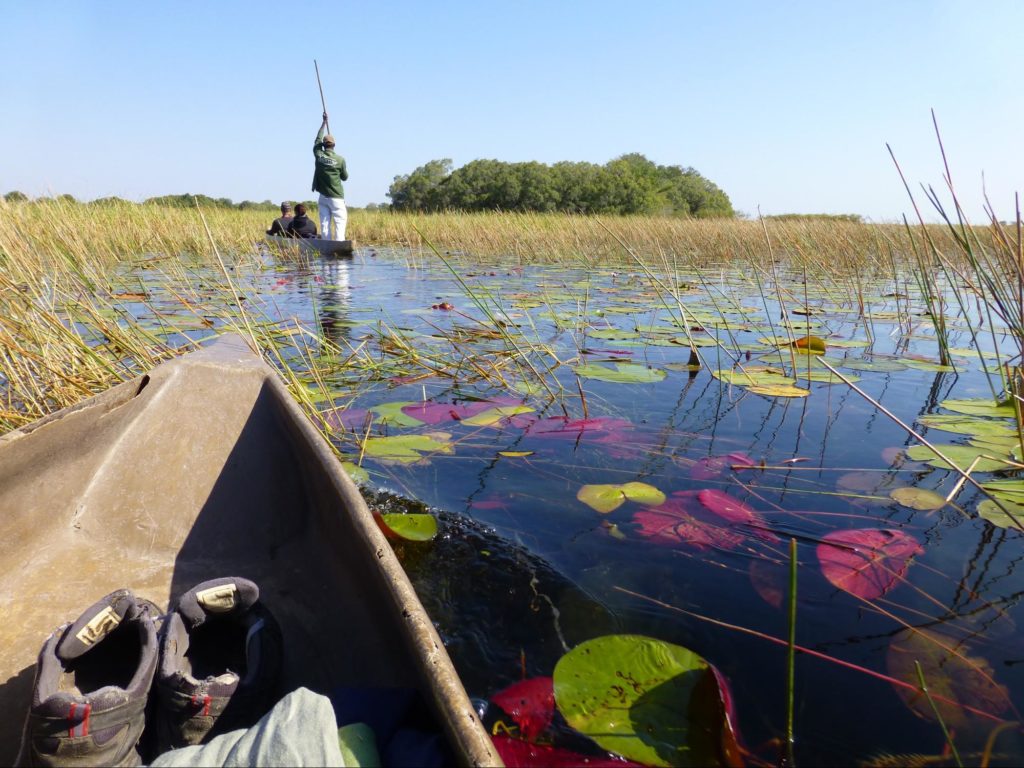
Botswana has a thriving emerging economy and the country’s tourism sector keeps prices high in order to have enough to spend on preserving the beauty of the nation’s landscape. So when planning a trip it’s important to budget it out. The national currency of Botswana is the Pula – a regionally strong currency – but the US dollar is widely accepted at lodges and hotels throughout the country. Major hotels wills have foreign exchange desks and most shops, lodges and travel agencies will accept travellers cheques or major credit cards. ATMs can also be found in major towns. As far as tipping goes, it can differ depending on a case by case basis. Generally when it comes to a group safari the rule is $10 per guest per day.
Flickr Image Credit:
Tee La Rosa
Jeremy T. Hetzel
tpbermingham
Roderick Eime
Celeumo
Regina Hart